

Education
Care for our domestic pets
Caring for a domestic animal begins by providing a safe, nurturing environment that meets its basic needs. Start with a clean, comfortable living space where the animal can rest and feel secure. Ensure it has access to fresh water at all times and provide a balanced, species-appropriate diet to maintain its health and energy. Regular exercise is also key—walks, play sessions, or engaging toys will help maintain healthy body weight, stimulate the animal’s mind, and strengthen your bond. Additionally, schedule regular veterinary check-ups, stay current on vaccinations, and be mindful of any changes in behavior or appearance that might indicate health issues.


Veterinary Care
Additionally, schedule regular veterinary check-ups, stay current on vaccinations, and be mindful of any changes in behavior or appearance that might indicate health issues. Beyond physical care, emotional well-being plays a significant role in your animal’s quality of life. Offer plenty of gentle affection and positive reinforcement, praising your companion for good behaviour and responding calmly but firmly to unwanted actions. Consistent routines for feeding, playing, and resting help reduce stress and anxiety, as does providing safe spaces where the animal can retreat if it feels overwhelmed. By blending attentive physical care with compassionate emotional support, you’ll help ensure your domestic animal leads a happy and fulfilling life.
Workshops for Children
Stand By Me Animal Care Workshops are designed to inspire and educate children about the importance of compassion, responsibility, and respect for all living creatures. In these hands-on sessions, young participants learn how to properly care for animals—from understanding their basic needs and environments to practicing gentle handling techniques. Children will be guided through activities that encourage empathy, teach essential pet-care skills, and foster an appreciation for the roles animals play in our lives and our communities.
These workshops often include interactive lessons, storytelling, and creative projects that engage children’s imagination and natural curiosity. Trained instructors introduce safe and humane approaches to interacting with pets and wildlife, promoting confidence as children develop their knowledge and nurturing instincts. By the end of each session, participants not only gain valuable, age-appropriate animal care skills, but also leave with a stronger sense of responsibility and a heartfelt commitment to supporting and protecting the wellbeing of their furry, feathered, and finned friends.
Join our subscription list to find out when the next workshop will take place.

Impact of proper nutrition
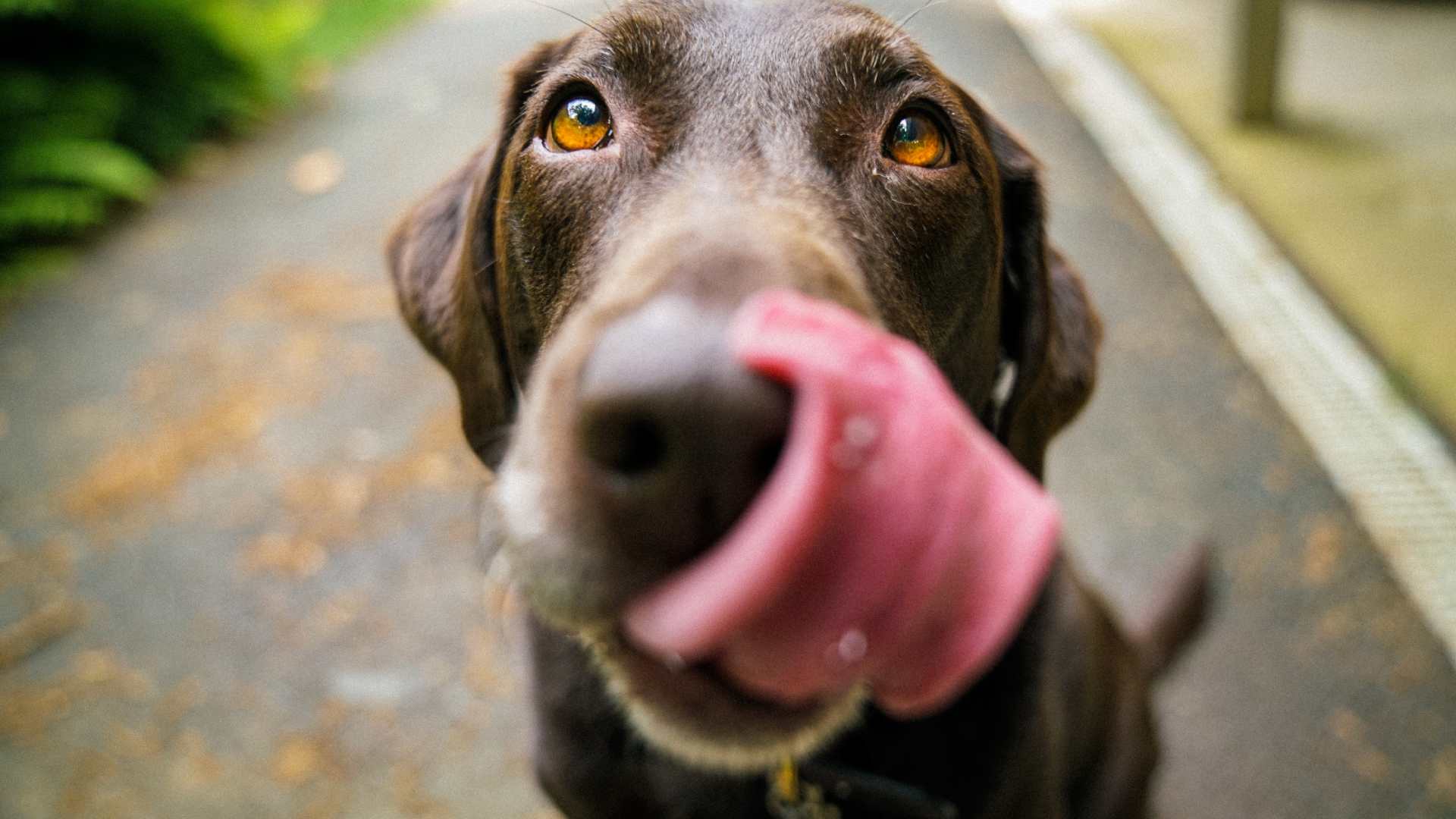
Proper nutrition is fundamental to the overall well-being of pets, influencing everything from their growth and energy levels to their immune system health. A balanced diet provides the essential nutrients—proteins, carbohydrates, fats, vitamins, and minerals—that support organ function, maintain lean muscle mass, strengthen bones, and keep their skin and coat in good condition. By paying attention to portion sizes, age-specific dietary needs, and the quality of ingredients, pet owners can help ensure that their companions thrive physically, remain resilient against illness, and enjoy a more comfortable, fulfilling life.
Beyond its physical benefits, proper nutrition also plays a significant role in a pet’s mental and behavioural health. Pets that consistently receive wholesome, nutrient-dense meals tend to exhibit more stable moods, increased energy for exercise and play, and an improved capacity to learn new behaviours. By working with a veterinarian or a certified pet nutritionist, caregivers can tailor diets to meet their pet’s unique needs—taking into account factors like breed, size, age, and activity level—ultimately fostering a deeper connection and a happier, healthier relationship with their furry, feathered, or scaly friends.